

How Rooftop Tent Technology Is Changing the Camping Game
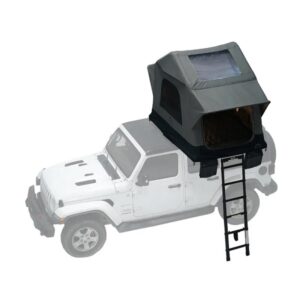
Gone are the days of wrestling with a tent peg in the dark while the mozzies have their way with you. Rooftop tent technology has



Very helpful staff! They helped modify and retrofit a KAON rear roof shelf which was suitable for a JB74 Jimny on my 1993 SJ70 Sierra.

These guys are excellent! Biggest range of rooftop tents I have ever seen with a huge range of drawers for serious off roading. They have a first class service and workshop support…..they know their products. Best of all, they are nice people

I visited Big Country 4x4 Canning Vale today as the owner Aaron said he could likely help me replace a bracket that attaches my roof-top tent to the roof racks. Indeed, he had the replacement part and I could fit it onsite. The service was friendly, knowledgeable and above and beyond for such a small part. He offered additional advice on securing the tent better to the racks, which I have now done. They have quality 4x4 gear and a range of roof-top tents set-up in their showroom. If you want good advice, pricing, and top service, I highly recommend Big Country 4x4 Canning Vale.

I managed to snap a cord in my Bundutop RTT. The team at Big Country were excellent. Repaired the cord and diagnosed an issue with the winch motor and replaced that. Customer relations are really good. I am impressed by the facility and show room. For us it was service and repairs but I will be recommending Big Country to people I know for Roof Top Tents and Awnings. Check them out.

Great deals, good products and even better customer service. I needed a little bit of extra help and they were there for us every step of the way! Highly recommend.


Great customer service from these guys. Bought the Ostrich Wing wall kit and arrived the next day. High quality thick canvas with very chunky zips, coped no worries in the WA coastal winds.

If you're after top-notch gear for your 4x4, Big Country 4x4 in Perth is the place to go. The crew there really knows their stuff, offering expert advice and making sure you get exactly what you need. They truly go above and beyond when it comes to service. From the get-go, the team was incredibly friendly and knowledgeable, taking the time to understand my needs and providing tailored advice on the Bundutop rooftop tent. They weren’t pushy, just genuinely focused on helping me find the right solution for my setup. Highly recommend checking them out if you’re keen to upgrade your camping setup!

We got a great deal on a rooftop tent at a recent 4wd show in Perth and were so impressed with the quality and service provided by Big Country we entrusted them to mount it and a 270 degree awning. Fitting them to our Prado presented quite a few challenges for the team but a cost effective result was achieved and we are very happy with the end result. The staff are awesome, best we have ever dealt with cannot recommend then enough, thank you.

Great bunch of friendly people, quality product, and great knowledge. Got some big country draws put in my Grenadier and they are exactly what I was looking for, seriously sturdy, not too high in profile and the team fitted it super quick and clean which was impressive. Would highly recommend the team in Canning Vale and if you have a Grenadier, definitely recommend (they had two other Grennies they were fitting out with items while I was there they all looked excellent).

Samantha was super helpful and the team installed my awning while I waited , which was awesome as I was down from the Pilbara and only in Perth briefly .

Great family company. Did an awesome job on my Prado.. FULL rig set up. Great products and good old fashion service. Thanks to Aaron and the crew for everything absolutely recommended 100%. TCB Digbys Downunder

The team work great to deal with!

The amazing people at Big Country Perth fit my new Air Cruiser tent and slide out tub tray in an amazing timeframe. They all were affable and know what they’re doing. I couldn’t be happier with their service. Jos Jensen

Really happy with the roof top tent I got from these guys. They were excellent to deal with and very helpful. If I could give more than 5 stars I would.

Amazing service and support! Highly recommend!

Very good customer service. Enquired about some solar screens, they were sent on Tuesday from Perth and arrived in Darwin on Thursday. Very fast and efficient service. Highly recommend this business

First time customer to Big Country 4x4 in Perth. Ordered a heap of KAON stuff, and Sam was great to deal with, both on the phone & in person.

Love’n the bundutec tent,making camping so much easier and enjoyable. And great customer support,cheers guys 👍

Terrific customer service by from Samantha! Very responsive over email. Hard to find quality like this. Love the drawers for my GX.


These guys were amazing! Went the extra mile, helped me out for ages even though it was getting past closing and then they even helped me load my gear up on my roof and gave me a luggage strap to secure it all! Can't rate them highly enough, will definitely be back for more gear when needed :)

Excellent product range and service. Everyone from the lovely girl at the shop front to the boys in the work shop are super helpful and friendly. Had what I needed in stock (kaon product - couldn’t find it in stock anywhere else!) and were able to fit it to my car same day. 100% recommend.

Great company

Samantha was awesome to deal with over the phone and had our replacement parts for our Bundutop in the post the next day. Highly recommend based of the service we received. Thanks Sam!

Aaron and Samantha were wonderful to deal with at Big Country 4x4 in Canningvale. From the beginning when I first contacted them to the end of the install, was smooth without any bumps or mishaps. There was flexibility and they were both very willing to help me every inch of the way. The rain down south has finally abated to allow me to put the tent up, and it is as easy as all the YouTube videos that I have seen plus Aaron 'end-of-install' demonstration showed. Now its just time to get out and use it on my treks. Many thanks Aaron, Samantha and Big Country 4x4.

Needed a bracket for my awning.. Aaron and the team went in my opinion above and beyond to help me. Thanks again

Thanks Aaron and Sam for doing such a great job on my Bundutec rooftop tent + Ostrich Awning. ! Service second to none-would highly recommend to my friends

Amazing team, many thanks to Sam & Aaron. Ultimate professionals, Awesome products and after sales assistance

Sam was a delight to deal with, she was prompt and knowledgeable, my gear was packaged really well and they sent it out the same day. It's great that they stock KAON accessories. TNT on the other hand were useless, but that was no fault to Big Country 4X4.

Seriously good customer service and friendly staff, Thanks guys

Purchased a pair of recovery points for my Prado, Sam was most helpful. Thank you.

Big Country 4x4 Australia - Perth “I’ve only dealt with this company about twice,and WoW, I thought good service in Australia was dead,I can only say,if only all other businesses would follow Big Country’s 4x4 example,they might stay in business a lot longer. Robert

Met these guys at the 4x4 show and found them to be knowledgable and helpful. They just installed my Big Country drawers today and i would highly recommend, cheers!

Absolute legends. Came in with a small repair job on an old, well-used ostrich wing awning. The boys were flat out but still managed to help me out. I can't thank them enough. All the gear they sell is quality, so if you want something that will last, go down and see them.


Right from the beginning the team were helpful, understanding and very professional. From the 4x4 expo, to dealing with the purchase of my roof top tent to when I picked it up and they installed it onto my car. Unfolded it and showed me how to operate everything. So friendly. I would highly recommend these guys. A huge shout out to Samantha in the office who answered all my questions and accommodated me through the whole process. Anja

Great sized shade and sturdy for its size, Impressed at its build quality too. fast to set up a little longer to pack up but worth the effort.

Absolutely amazing group of people, really know their stuff and have some amazing products. Will defiantly be recommending them to family and friends.

I’m genuinely pleased to recommend Big Country 4x4. I found this company as a supplier and installer of Kaon products but they have so much more. My product was delayed due to freight issues which was promptly communicated and when the parts arrived they were more than accomodating to arrange an installation time that was convenient to me. Kaon products can be bought direct but there was no price difference buying from Big Country 4x4 and with a brand new vehicle unless one is particularly handy do you really want to go with self installation and possibly getting it wrong? The overall experience was 5-stars and I’m certain to be a repeat customer. This is a company clearly focused on quality and customer service. #toyotaprado #kaon #bigcountry4x4

So we will soon be off on a trip over East for about 3 months. We have been building a 1983 Ex army Unimog and decided to install a living quarters on it. We wanted to keep the over all height down to minimise impact with low overhanging trees as much as possible. The answer, a Bundutech, Bundutop King Electric Roof Top Tent. Due to the height of the truck, we needed a tent that puts it'self away with a minimum of user input... The Bundutop is exactly what we needed. Expensive? Not when you compare apples with apples. If you want a 4x4 accessory like a set of drawers or, like in our case a quality Rooftop Tent, you shouldn't look past Aaron, Samantha and Staff at Big Country 4x4 in Canningvale. The service and product knowledge was fantastic. See ya again guys.

Amazing customer service 💕love the product

Great service.


I contacted WA Experts as they are known in Perth with regards to a BunduAwn. Samantha from the team was incredibly helpful, showed us how to measure and provided feedback on measurements. Samantha also offered to come in on a Saturday to be available for us to collect which we greatly appreciated given we live in the Pilbara and we’re only in Perth for a day. Customer service is A plus, you don’t always see that anymore. Their prices are very reasonable too. Highly recommend a visit.


Gone are the days of wrestling with a tent peg in the dark while the mozzies have their way with you. Rooftop tent technology has

Travelling through the Northern Territory demands preparation. The tracks around Darwin, the long distances between towns and the harsh outback conditions mean your vehicle needs

Equipping your Toyota for the rugged Australian Outback means using gear that’s durable and field-tested by real off-roaders. In this post, we look at some
Very helpful staff! They helped modify and retrofit a KAON rear roof shelf which was suitable for a JB74 Jimny on my 1993 SJ70 Sierra.
These guys are excellent! Biggest range of rooftop tents I have ever seen with a huge range of drawers for serious off roading. They have a first class service and workshop support…..they know their products. Best of all, they are nice people
I visited Big Country 4x4 Canning Vale today as the owner Aaron said he could likely help me replace a bracket that attaches my roof-top tent to the roof racks. Indeed, he had the replacement part and I could fit it onsite. The service was friendly, knowledgeable and above and beyond for such a small part. He offered additional advice on securing the tent better to the racks, which I have now done. They have quality 4x4 gear and a range of roof-top tents set-up in their showroom. If you want good advice, pricing, and top service, I highly recommend Big Country 4x4 Canning Vale.
I managed to snap a cord in my Bundutop RTT. The team at Big Country were excellent. Repaired the cord and diagnosed an issue with the winch motor and replaced that. Customer relations are really good. I am impressed by the facility and show room. For us it was service and repairs but I will be recommending Big Country to people I know for Roof Top Tents and Awnings. Check them out.
Great deals, good products and even better customer service. I needed a little bit of extra help and they were there for us every step of the way! Highly recommend.
Great customer service from these guys. Bought the Ostrich Wing wall kit and arrived the next day. High quality thick canvas with very chunky zips, coped no worries in the WA coastal winds.
If you're after top-notch gear for your 4x4, Big Country 4x4 in Perth is the place to go. The crew there really knows their stuff, offering expert advice and making sure you get exactly what you need. They truly go above and beyond when it comes to service. From the get-go, the team was incredibly friendly and knowledgeable, taking the time to understand my needs and providing tailored advice on the Bundutop rooftop tent. They weren’t pushy, just genuinely focused on helping me find the right solution for my setup. Highly recommend checking them out if you’re keen to upgrade your camping setup!
We got a great deal on a rooftop tent at a recent 4wd show in Perth and were so impressed with the quality and service provided by Big Country we entrusted them to mount it and a 270 degree awning. Fitting them to our Prado presented quite a few challenges for the team but a cost effective result was achieved and we are very happy with the end result. The staff are awesome, best we have ever dealt with cannot recommend then enough, thank you.
Great bunch of friendly people, quality product, and great knowledge. Got some big country draws put in my Grenadier and they are exactly what I was looking for, seriously sturdy, not too high in profile and the team fitted it super quick and clean which was impressive. Would highly recommend the team in Canning Vale and if you have a Grenadier, definitely recommend (they had two other Grennies they were fitting out with items while I was there they all looked excellent).
Samantha was super helpful and the team installed my awning while I waited , which was awesome as I was down from the Pilbara and only in Perth briefly .
Great family company. Did an awesome job on my Prado.. FULL rig set up. Great products and good old fashion service. Thanks to Aaron and the crew for everything absolutely recommended 100%. TCB Digbys Downunder
The team work great to deal with!
The amazing people at Big Country Perth fit my new Air Cruiser tent and slide out tub tray in an amazing timeframe. They all were affable and know what they’re doing. I couldn’t be happier with their service. Jos Jensen
Really happy with the roof top tent I got from these guys. They were excellent to deal with and very helpful. If I could give more than 5 stars I would.
Amazing service and support! Highly recommend!
Very good customer service. Enquired about some solar screens, they were sent on Tuesday from Perth and arrived in Darwin on Thursday. Very fast and efficient service. Highly recommend this business
First time customer to Big Country 4x4 in Perth. Ordered a heap of KAON stuff, and Sam was great to deal with, both on the phone & in person.
Love’n the bundutec tent,making camping so much easier and enjoyable. And great customer support,cheers guys 👍
Terrific customer service by from Samantha! Very responsive over email. Hard to find quality like this. Love the drawers for my GX.
These guys were amazing! Went the extra mile, helped me out for ages even though it was getting past closing and then they even helped me load my gear up on my roof and gave me a luggage strap to secure it all! Can't rate them highly enough, will definitely be back for more gear when needed :)
Excellent product range and service. Everyone from the lovely girl at the shop front to the boys in the work shop are super helpful and friendly. Had what I needed in stock (kaon product - couldn’t find it in stock anywhere else!) and were able to fit it to my car same day. 100% recommend.
Great company
Samantha was awesome to deal with over the phone and had our replacement parts for our Bundutop in the post the next day. Highly recommend based of the service we received. Thanks Sam!
Aaron and Samantha were wonderful to deal with at Big Country 4x4 in Canningvale. From the beginning when I first contacted them to the end of the install, was smooth without any bumps or mishaps. There was flexibility and they were both very willing to help me every inch of the way. The rain down south has finally abated to allow me to put the tent up, and it is as easy as all the YouTube videos that I have seen plus Aaron 'end-of-install' demonstration showed. Now its just time to get out and use it on my treks. Many thanks Aaron, Samantha and Big Country 4x4.
Needed a bracket for my awning.. Aaron and the team went in my opinion above and beyond to help me. Thanks again
Thanks Aaron and Sam for doing such a great job on my Bundutec rooftop tent + Ostrich Awning. ! Service second to none-would highly recommend to my friends
Amazing team, many thanks to Sam & Aaron. Ultimate professionals, Awesome products and after sales assistance
Sam was a delight to deal with, she was prompt and knowledgeable, my gear was packaged really well and they sent it out the same day. It's great that they stock KAON accessories. TNT on the other hand were useless, but that was no fault to Big Country 4X4.
Seriously good customer service and friendly staff, Thanks guys
Purchased a pair of recovery points for my Prado, Sam was most helpful. Thank you.
Big Country 4x4 Australia - Perth “I’ve only dealt with this company about twice,and WoW, I thought good service in Australia was dead,I can only say,if only all other businesses would follow Big Country’s 4x4 example,they might stay in business a lot longer. Robert
Met these guys at the 4x4 show and found them to be knowledgable and helpful. They just installed my Big Country drawers today and i would highly recommend, cheers!
Absolute legends. Came in with a small repair job on an old, well-used ostrich wing awning. The boys were flat out but still managed to help me out. I can't thank them enough. All the gear they sell is quality, so if you want something that will last, go down and see them.
Right from the beginning the team were helpful, understanding and very professional. From the 4x4 expo, to dealing with the purchase of my roof top tent to when I picked it up and they installed it onto my car. Unfolded it and showed me how to operate everything. So friendly. I would highly recommend these guys. A huge shout out to Samantha in the office who answered all my questions and accommodated me through the whole process. Anja
Great sized shade and sturdy for its size, Impressed at its build quality too. fast to set up a little longer to pack up but worth the effort.
Absolutely amazing group of people, really know their stuff and have some amazing products. Will defiantly be recommending them to family and friends.
I’m genuinely pleased to recommend Big Country 4x4. I found this company as a supplier and installer of Kaon products but they have so much more. My product was delayed due to freight issues which was promptly communicated and when the parts arrived they were more than accomodating to arrange an installation time that was convenient to me. Kaon products can be bought direct but there was no price difference buying from Big Country 4x4 and with a brand new vehicle unless one is particularly handy do you really want to go with self installation and possibly getting it wrong? The overall experience was 5-stars and I’m certain to be a repeat customer. This is a company clearly focused on quality and customer service. #toyotaprado #kaon #bigcountry4x4
So we will soon be off on a trip over East for about 3 months. We have been building a 1983 Ex army Unimog and decided to install a living quarters on it. We wanted to keep the over all height down to minimise impact with low overhanging trees as much as possible. The answer, a Bundutech, Bundutop King Electric Roof Top Tent. Due to the height of the truck, we needed a tent that puts it'self away with a minimum of user input... The Bundutop is exactly what we needed. Expensive? Not when you compare apples with apples. If you want a 4x4 accessory like a set of drawers or, like in our case a quality Rooftop Tent, you shouldn't look past Aaron, Samantha and Staff at Big Country 4x4 in Canningvale. The service and product knowledge was fantastic. See ya again guys.
Amazing customer service 💕love the product
Great service.
I contacted WA Experts as they are known in Perth with regards to a BunduAwn. Samantha from the team was incredibly helpful, showed us how to measure and provided feedback on measurements. Samantha also offered to come in on a Saturday to be available for us to collect which we greatly appreciated given we live in the Pilbara and we’re only in Perth for a day. Customer service is A plus, you don’t always see that anymore. Their prices are very reasonable too. Highly recommend a visit.
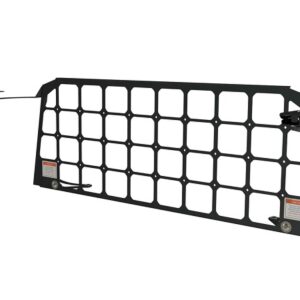
![Standalone Rear Roof Shelf to suit Toyota LandCruiser LC300 [Type: Small Side Molle Panels]](https://bigcountry4x4.com.au/wp-content/uploads/KS0612-300x300.jpg)
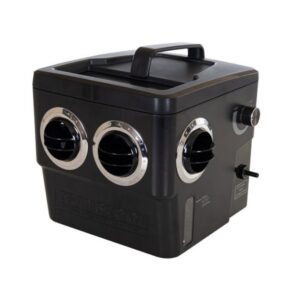

![KAON M6 Captive Nut Kit to suit KAON LC200/LC300 Storage [Spare Part]](https://bigcountry4x4.com.au/wp-content/uploads/KS0814-300x300.webp)

